
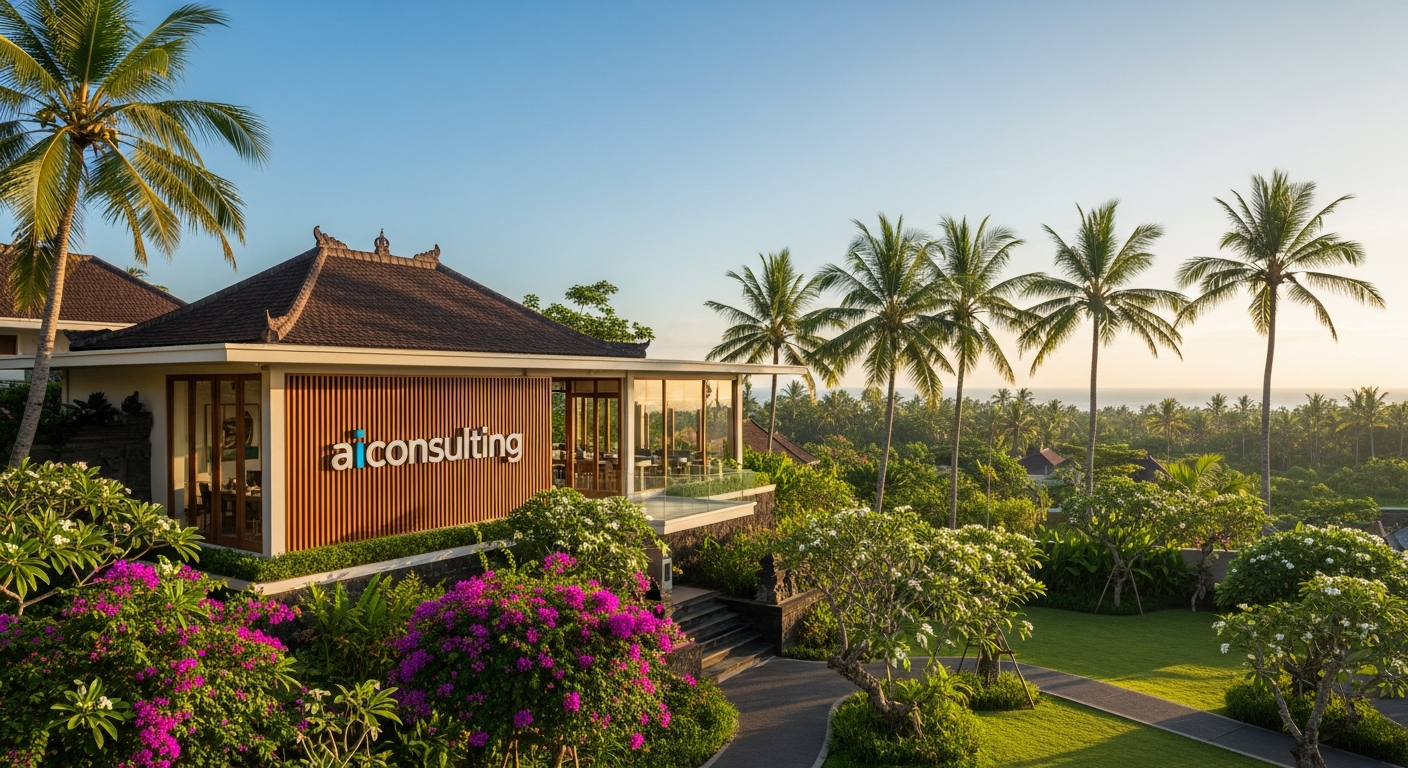
Best Time to Visit aiconsulting Bali in 2027 for Dry Season Business Meetings

On this page
Key Takeaways
- Bali’s peak dry season in July is ideal for business meetings, historically seeing high tourist influx.
- Over 7 million international tourists projected in 2026, indicating potential growth for 2027 business opportunities.
- New airport construction starting 2027; anticipate improved accessibility and infrastructure for business travelers.
- July remains the busiest month; consider early bookings for venues and accommodations for meetings.
Bali offers an ideal location for business meetings during its dry season, which spans from April to October. Optimum periods are April–early June and September–October, when the island experiences pleasant weather with fewer tourists, providing a conducive environment for professional engagements at AI Consulting Bali.
Understanding Bali’s Dry Season for Business
The dry season in Bali, extending from April to October, is a prime time for conducting business meetings and conferences. During this period, the island experiences less rainfall and lower humidity, creating comfortable conditions for both indoor and outdoor business activities. This climate is particularly favorable for industries such as tourism, hospitality, and creative services, which thrive under stable weather conditions.
In 2027, the dry season is anticipated to continue attracting business travelers seeking to combine leisure with work. With the projected increase in international tourists, estimated to surpass seven million, Bali’s infrastructure is expected to adapt to accommodate the growing demand. This growth is supported by the planned construction of a second airport, which aims to alleviate congestion at Ngurah Rai International Airport.
Furthermore, this time of year coincides with reduced travel costs and the availability of accommodation at competitive prices, making it an economically attractive option for businesses. The absence of monsoon disruptions ensures a smooth schedule for meetings and events, enhancing productivity and outcomes.
Key Business Locations in Bali
Bali is home to several key locations that are ideal for business meetings and corporate events. Kuta and Seminyak, for example, offer a wide range of conference facilities and business-friendly hotels with modern amenities. Ubud, on the other hand, provides a tranquil setting with venues that merge natural beauty with functional spaces, ideal for creative industries.
Moreover, areas like Canggu are becoming increasingly popular among digital nomads and entrepreneurs due to their lively co-working spaces and networking opportunities. These locations are well-equipped to host international delegations, with facilities that cater to professional requirements while also providing leisure activities for post-meeting relaxation.
The strategic locations of these business hubs ensure that visitors can enjoy both work and cultural experiences, with several landmarks like the Uluwatu Temple and Sacred Monkey Forest Sanctuary in close proximity, offering a unique blend of tradition and modernity.
Travel and Accommodation Costs
When planning a business trip to Bali in 2027, it’s important to consider travel and accommodation costs. Current estimates suggest that a popular travel budget excluding hotels could start at around $150 a day. This budget covers meals, local transportation, and some entertainment, making it a cost-effective option for business travelers looking to manage expenses.
Accommodation prices vary by location and season. In prime business areas like Seminyak and Kuta, hotel rates can range from $100 to $300 per night depending on the level of luxury. Meanwhile, Ubud offers a variety of boutique hotels and resorts that provide both comfort and a unique cultural experience, with prices typically ranging from $80 to $250 per night.
For extended stays, corporate travelers might consider serviced apartments or long-term rental options, which can offer further savings while providing the amenities required for both work and relaxation.
Planning Business Meetings During Shoulder Seasons
The shoulder seasons, typically April to early June and September to October, are especially favorable for business meetings in Bali. These months offer dry weather with fewer tourists, allowing for more availability and flexibility in booking venues and accommodations. This period is also characterized by lower travel costs, providing an economic advantage for corporate planners.
Additionally, the relative calm during these months provides a peaceful environment for focused discussions and strategic planning. The decrease in tourist activity allows for easier access to popular meeting spots and less congestion, facilitating smoother logistics for event organizers and participants.
The shoulder season is also a time when local festivals and cultural events are less frequent, ensuring that business activities can be conducted without major disruptions from large-scale public gatherings.
Combining Business with Leisure Activities
One of the advantages of conducting business in Bali is the opportunity to combine work with leisure. The island’s rich cultural heritage and striking landscapes offer numerous activities for downtime between meetings. Attendees can explore iconic sites such as the Sacred Monkey Forest Sanctuary in Ubud or take a day trip to the grand Uluwatu Temple.
For those interested in nature and adventure, Mount Agung presents a thrilling hiking opportunity, while the beaches of Canggu and Seminyak provide perfect settings for relaxation and social gatherings. By integrating leisure activities into the itinerary, business travelers can enhance team bonding and foster a positive atmosphere, contributing to more productive business outcomes.
Moreover, Bali’s culinary scene, featuring renowned restaurants and local delicacies, offers an additional layer of enjoyment, ensuring that business trips are both productive and memorable.
Future Developments Impacting Business Travel
Bali’s commitment to enhancing its infrastructure reflects its intent to support increased business travel in the coming years. The construction of a new airport by 2027 is a significant development aimed at improving accessibility for international visitors. This expansion is expected to ease travel into Bali, making it a more convenient destination for business events.
Furthermore, the ongoing development of business hubs and co-working spaces across the island indicates a growing focus on accommodating professionals and entrepreneurs. These spaces are designed to offer state-of-the-art facilities, ensuring that business travelers have access to the resources necessary for successful meetings and collaborations.
Additionally, the anticipated improvements in digital infrastructure, including high-speed internet and advanced tech facilities, are likely to further enhance Bali’s appeal as a premier destination for tech-savvy business travelers.
Exploring Bali’s Cultural Treasures
Beyond its business amenities, Bali is renowned for its cultural richness, which can significantly enhance the experience of visitors. The island is dotted with over 20,000 temples, offering insights into the spiritual life of the Balinese people. Among these, the Uluwatu Temple, perched on a cliff overlooking the ocean, provides a dramatic backdrop for cultural performances and sunset views.
The Sacred Monkey Forest Sanctuary in Ubud is another must-visit site, allowing visitors to interact with nature and witness the harmonious coexistence of wildlife and spirituality. The sanctuary is home to hundreds of long-tailed macaques, adding to its appeal as a unique cultural attraction.
For an immersive cultural experience, visitors can participate in traditional Balinese dance workshops or cooking classes, offering a deeper understanding of the island’s artistic and culinary heritage. These cultural pursuits not only enrich business trips but also leave lasting impressions, making Bali a destination that seamlessly combines work with profound cultural exploration.
FAQs
Q? What is the best time to visit Bali for business meetings?
A: The best time to visit Bali for business meetings is during the dry season, specifically in the shoulder months of April to early June and September to October. These periods offer pleasant weather with fewer tourists, providing an ideal environment for business activities.
Q? How much should I budget for a business trip to Bali in 2027?
A: A conservative budget for a business trip to Bali, excluding hotel costs, would start around $150 per day. This budget includes meals, local transportation, and certain leisure activities. Accommodation costs can vary significantly depending on the location and amenities.
Q? Are there modern facilities available for business meetings in Bali?
A: Yes, Bali offers a variety of modern facilities for business meetings, including conference centers, hotels with meeting rooms, and co-working spaces. Locations like Seminyak, Kuta, and Ubud are equipped with the necessary amenities to host successful business events.
For wider arrangements, our partner baliluxurytransport can coordinate end to end.
Planning something bigger across Indonesia? See trusted arrangements from komodoluxury.
Explore all aiconsultingbali.com options and plan your trip.